
👇复制口令打开淘宝免单奶茶和25红包👇
¥XT7U4sdjF9I¥/ HU7405
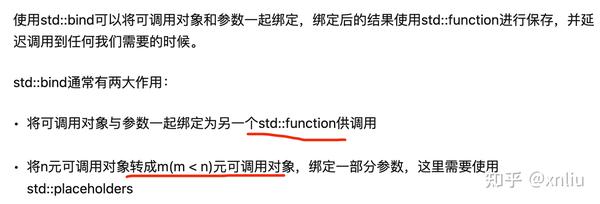
bind 函数 是 JavaScript 中一个强大且灵活的函数,它允许我们以不同的方式绑定函数。调用 bind 函数后,它返回一个新的函数,该函数已预先绑定到指定的 this 值和参数,从而创建了一个新的函数绑定。
bind 函数返回值
bind 函数返回值是一个新的函数,称为已绑定函数。已绑定函数与原始函数具有相同的功能,但它具有预设的 this 值和参数。
已绑定函数的语法如下:
const boundFunction = originalFunction.bind(thisValue, ...args);
其中:
originalFunction
是要绑定的原始函数。
thisValue
是要绑定到已绑定函数的 this 值。
...args
是要在已绑定函数中预设的参数。
bind 函数用法示例
以下是一些使用 bind 函数的示例:
示例 1:创建已绑定函数
const person = {name: 'John Doe',greet: function() {console.log(`Hello, my name is ${this.name}.`);}};const boundGreet = person.greet.bind(person);
在上面的示例中,我们使用 bind 函数将
greet
函数绑定到
person
对象作为其 this 值。这创建了一个新的已绑定函数
boundGreet
,它可以独立于
person
对象调用。
示例 2:预设参数
const add = function(a, b) {return a + b;};const add5 = add.bind(null, 5);
在上面的示例中,我们使用 bind 函数将
add
函数绑定到
null
作为其 this 值,并预设第一个参数为 5。这创建了一个新的已绑定函数
add5
,它将自动将 5 添加到任何参数。
示例 3:绑定事件处理程序
const button = document.getElementById('button');button.addEventListener('click', function(e) {console.log(e.target);}.bind(button));
在上面的示例中,我们使用 bind 函数将事件处理程序函数绑定到
button
元素作为其 this 值。这确保了当事件处理程序被触发时,
this
将始终指向
button
元素。
bind 函数的优点
bind 函数具有许多优点,包括:
灵活的 this 值绑定: 您可以将函数绑定到任何 this 值,这在构造函数或需要自定义 this 值的情况下非常有用。预设参数: 您可以预设函数调用中的参数,从而减少了以后调用时传递参数的需要。事件处理程序绑定: bind 函数是绑定事件处理程序的常用方式,它确保了正确的 this 值,即使事件处理程序在其他上下文中被调用。
结论
bind 函数是 JavaScript 中一个功能强大的工具,它允许我们灵活地绑定函数。它可以用于创建预设 this 值和参数的已绑定函数,从而使函数更易于重用和维护。
© 版权声明
文章版权归作者所有,未经允许请勿转载。